Buy zusatzeinkommen.eu ?
We are moving the project
zusatzeinkommen.eu .
Are you interested in purchasing the domain
zusatzeinkommen.eu ?
domain@kv-gmbh.de · 0541-91531010
Buy zusatzeinkommen.eu ?
What is the difference between solid stone masonry and solid masonry?
Solid stone masonry refers to construction using natural stones like granite, marble, or limestone, while solid masonry includes any type of solid material like bricks, concrete blocks, or stones. Solid stone masonry is known for its durability, aesthetic appeal, and higher cost compared to other materials. On the other hand, solid masonry can be more versatile in terms of material options and cost-effective, but may not have the same visual impact as solid stone masonry. **
Which plaster is used for rubble stone masonry?
Cement plaster is commonly used for rubble stone masonry. It provides a strong and durable finish that helps to bind the irregularly shaped stones together. Cement plaster also helps to protect the stones from weathering and erosion, making it a suitable choice for this type of construction. **


Similar search terms for Advantage-Masonry-Neutral-Stone
Top-Angebote
Products related to Advantage-Masonry-Neutral-Stone:



-
What type of plaster is used for rubble stone masonry?
The type of plaster used for rubble stone masonry is typically a lime-based plaster. Lime plaster is well-suited for rubble stone masonry because it is flexible and allows for movement in the masonry without cracking. It also helps to protect the stone from weathering and erosion while allowing the masonry to breathe and release moisture. Additionally, lime plaster has been traditionally used with rubble stone masonry for its compatibility with the natural materials and its ability to provide a durable and aesthetically pleasing finish. **
-
How deep does the masonry stone need to be chiseled out?
The depth to which the masonry stone needs to be chiseled out depends on the specific project and the requirements of the design. Typically, the depth of the chiseling will be determined by the thickness of the mortar joint and the type of stone being used. It is important to follow the specifications provided by the architect or engineer to ensure that the chiseling is done to the correct depth for the structural integrity and aesthetic appeal of the project. Additionally, the depth of the chiseling may also be influenced by the type of wall or structure being built, as different applications may require different depths for the stone to be chiseled out. **
-
What is the difference between operating income, neutral income, and total income?
Operating income is the profit generated from a company's core business operations, excluding interest and taxes. Net income, on the other hand, is the total profit after deducting all expenses, including interest and taxes. Total income refers to the overall revenue generated by a company, including both operating and non-operating income. In summary, operating income focuses on the profitability of the core business, net income reflects the overall profitability after all expenses, and total income encompasses all revenue streams. **
-
What is saltpeter in masonry?
Saltpeter, also known as potassium nitrate, is a crystalline compound that has been historically used in masonry as a key ingredient in mortar. It helps to improve the setting time and strength of mortar, making it an important component in traditional building practices. Saltpeter can also act as a water repellent, helping to protect masonry structures from water damage and deterioration. **

Is the masonry training demanding?
Yes, masonry training can be demanding as it requires physical strength, endurance, and attention to detail. Trainees must learn how to handle heavy materials, use specialized tools, and work in various weather conditions. Additionally, they need to understand the principles of construction and be able to follow precise instructions to ensure the structural integrity and safety of their work. Overall, masonry training demands dedication, hard work, and a willingness to learn and improve. **
Is masonry a good profession?
Masonry can be a good profession for those who enjoy working with their hands, have good physical strength, and are detail-oriented. It offers the opportunity to work on a variety of projects, from residential to commercial buildings, and can provide a sense of accomplishment in seeing the tangible results of one's work. Additionally, masonry skills are always in demand, making it a stable career choice. However, it can be physically demanding and may require working in various weather conditions. Overall, whether masonry is a good profession depends on an individual's interests, skills, and work preferences. **
Top-Angebote
Products related to Advantage-Masonry-Neutral-Stone:
-
Advantage Muir Neutral Geo WallpaperAdd a refined and masculine finish to your space with this geometric design. Reminiscent of tilework, this wallpaper features an array of brown and grey geometrics outlined in muted gold. Muir is an unpasted, vinyl on non woven wallpaper.57,99 $*Shipping: 0,00 $Secure redirect to the provider
-
What is the difference between solid stone masonry and solid masonry?
Solid stone masonry refers to construction using natural stones like granite, marble, or limestone, while solid masonry includes any type of solid material like bricks, concrete blocks, or stones. Solid stone masonry is known for its durability, aesthetic appeal, and higher cost compared to other materials. On the other hand, solid masonry can be more versatile in terms of material options and cost-effective, but may not have the same visual impact as solid stone masonry. **
-
Which plaster is used for rubble stone masonry?
Cement plaster is commonly used for rubble stone masonry. It provides a strong and durable finish that helps to bind the irregularly shaped stones together. Cement plaster also helps to protect the stones from weathering and erosion, making it a suitable choice for this type of construction. **
-
What type of plaster is used for rubble stone masonry?
The type of plaster used for rubble stone masonry is typically a lime-based plaster. Lime plaster is well-suited for rubble stone masonry because it is flexible and allows for movement in the masonry without cracking. It also helps to protect the stone from weathering and erosion while allowing the masonry to breathe and release moisture. Additionally, lime plaster has been traditionally used with rubble stone masonry for its compatibility with the natural materials and its ability to provide a durable and aesthetically pleasing finish. **
-
How deep does the masonry stone need to be chiseled out?
The depth to which the masonry stone needs to be chiseled out depends on the specific project and the requirements of the design. Typically, the depth of the chiseling will be determined by the thickness of the mortar joint and the type of stone being used. It is important to follow the specifications provided by the architect or engineer to ensure that the chiseling is done to the correct depth for the structural integrity and aesthetic appeal of the project. Additionally, the depth of the chiseling may also be influenced by the type of wall or structure being built, as different applications may require different depths for the stone to be chiseled out. **
Similar search terms for Advantage-Masonry-Neutral-Stone
-
Advantage Hazen Stone Striated WallpaperRich swathes of silver and smokey grey bleed into each other in this striated, organic wallpaper design. Hazen is an unpasted, non woven backed vinyl wallpaper measuring 20.9 inches wide by 33 feet long, covering About 57.5 square feet per roll.43,30 $*Shipping: 0,00 $Secure redirect to the provider
-
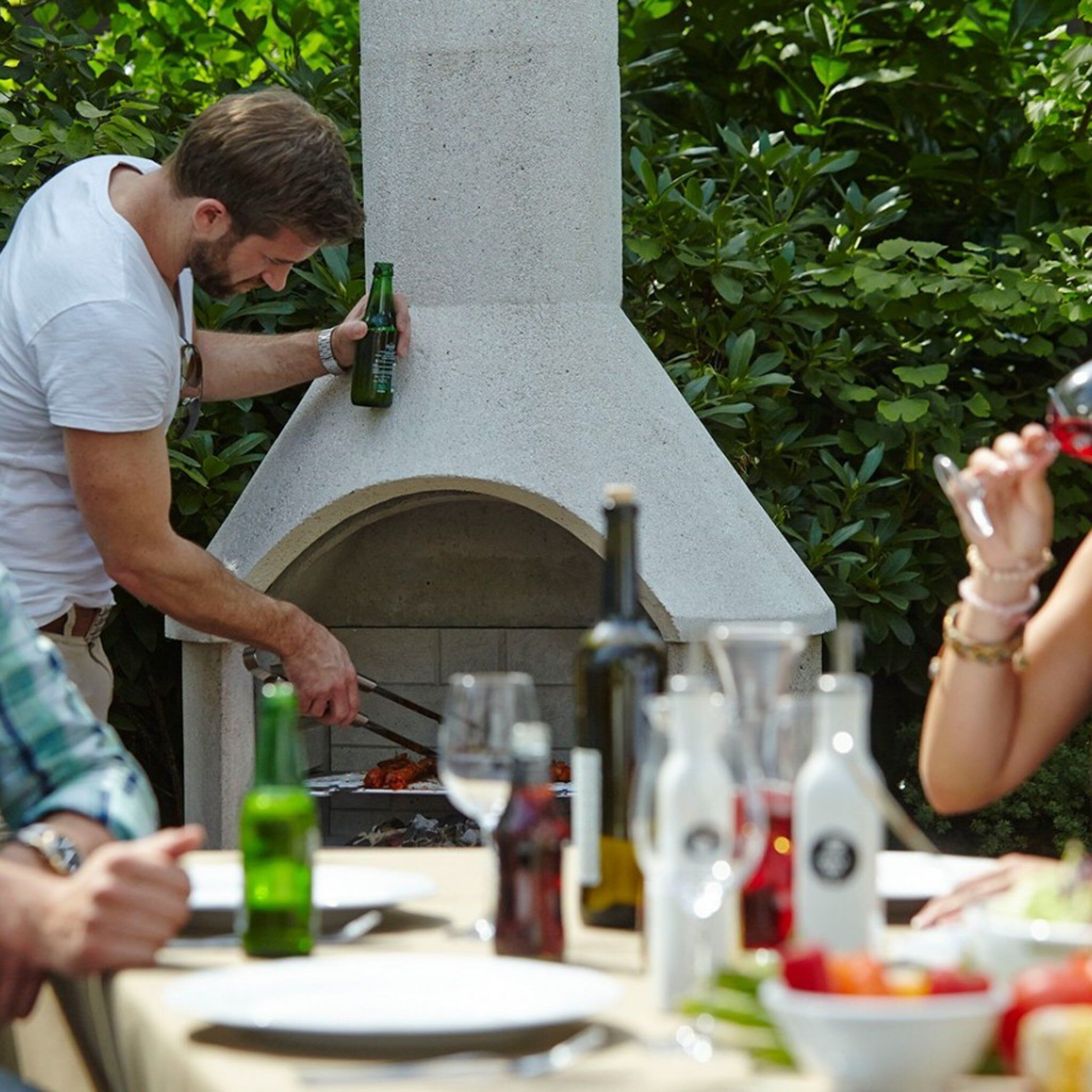
Buschbeck Rondo Masonry BarbecueThe Buschbeck Rondo masonry barbecue fulfills the highest combined standards of functionality and design. The stunning white quartz surface is complimented by a real copper insert set within the mantlepiece. The Buschbeck Rondo Masonry Barbecue’s spaciously proportioned combustion chamber alows easy access to either turn over food over whilst cooking or for loading more fuel on. As with most of our Buschbeck barbecue fireplaces, the double skinned construction of the Rondo means it can burn several different types of fuel allowing you to start off cooking on charcoal and then moving on to logs or firewood when you want to sit round the fireplace to keep nice and warm! Furthermore, not only is the Buschbeck Rondo Masonry Barbecue a brilliant barbecue but it is also a fantastic natural fuel fireplace/patio heater. For cooking, the Rondo has four adjustable cooking heights and comes with a heavy duty chrome grill with plenty of space to grill on for even the hungriest of gatherings. Buschbeck being the only brand of masonry barbecue to achieve the very stringent German TUV/GS safety standard. Your Rondo barbecue will last for many years to come. The life expectancy of these barbecue fireplaces is very difficult to express but in Europe where Buschbeck barbecues are widely distributed it is not unusual to see ones that are in excess of 20 years old! Above all, as far as maintenance goes there is little or nothing to do. If the barbecue’s appearance becomes at little “weathered” to your liking, simply use a jet wash to clean it down! Delivery Information: Please note, we do not offer our Platinum or Packaging Removal Delivery Services with Buschbeck products. This item will be delivered directly from Buschbeck who will carry out curbside delivery of this product. Assembly Information: Please note, Buschbeck do not offer an Assembly Service for this item.829,99 £*Shipping: 0,00 £Secure redirect to the provider
-
What is the difference between operating income, neutral income, and total income?
Operating income is the profit generated from a company's core business operations, excluding interest and taxes. Net income, on the other hand, is the total profit after deducting all expenses, including interest and taxes. Total income refers to the overall revenue generated by a company, including both operating and non-operating income. In summary, operating income focuses on the profitability of the core business, net income reflects the overall profitability after all expenses, and total income encompasses all revenue streams. **
-
What is saltpeter in masonry?
Saltpeter, also known as potassium nitrate, is a crystalline compound that has been historically used in masonry as a key ingredient in mortar. It helps to improve the setting time and strength of mortar, making it an important component in traditional building practices. Saltpeter can also act as a water repellent, helping to protect masonry structures from water damage and deterioration. **
-
Is the masonry training demanding?
Yes, masonry training can be demanding as it requires physical strength, endurance, and attention to detail. Trainees must learn how to handle heavy materials, use specialized tools, and work in various weather conditions. Additionally, they need to understand the principles of construction and be able to follow precise instructions to ensure the structural integrity and safety of their work. Overall, masonry training demands dedication, hard work, and a willingness to learn and improve. **
-
Is masonry a good profession?
Masonry can be a good profession for those who enjoy working with their hands, have good physical strength, and are detail-oriented. It offers the opportunity to work on a variety of projects, from residential to commercial buildings, and can provide a sense of accomplishment in seeing the tangible results of one's work. Additionally, masonry skills are always in demand, making it a stable career choice. However, it can be physically demanding and may require working in various weather conditions. Overall, whether masonry is a good profession depends on an individual's interests, skills, and work preferences. **
* All prices are inclusive of VAT and, if applicable, plus shipping costs. The offer information is based on the details provided by the respective shop and is updated through automated processes. Real-time updates do not occur, so deviations can occur in individual cases. ** Note: Parts of this content were created by AI.